Picture yourself sinking into a warm, bubbly bath, leaving the day’s chaos behind. But before you get to that moment of bliss, there’s a big choice to make: freestanding or built-in bathtub? This isn’t just about picking something pretty; it’s about finding a tub that fits your bathroom, lifestyle, and budget. Let’s dive into the differences, from style to practicality, to help you decide which one feels like home.
Understanding the Basics: Freestanding vs. Built-In
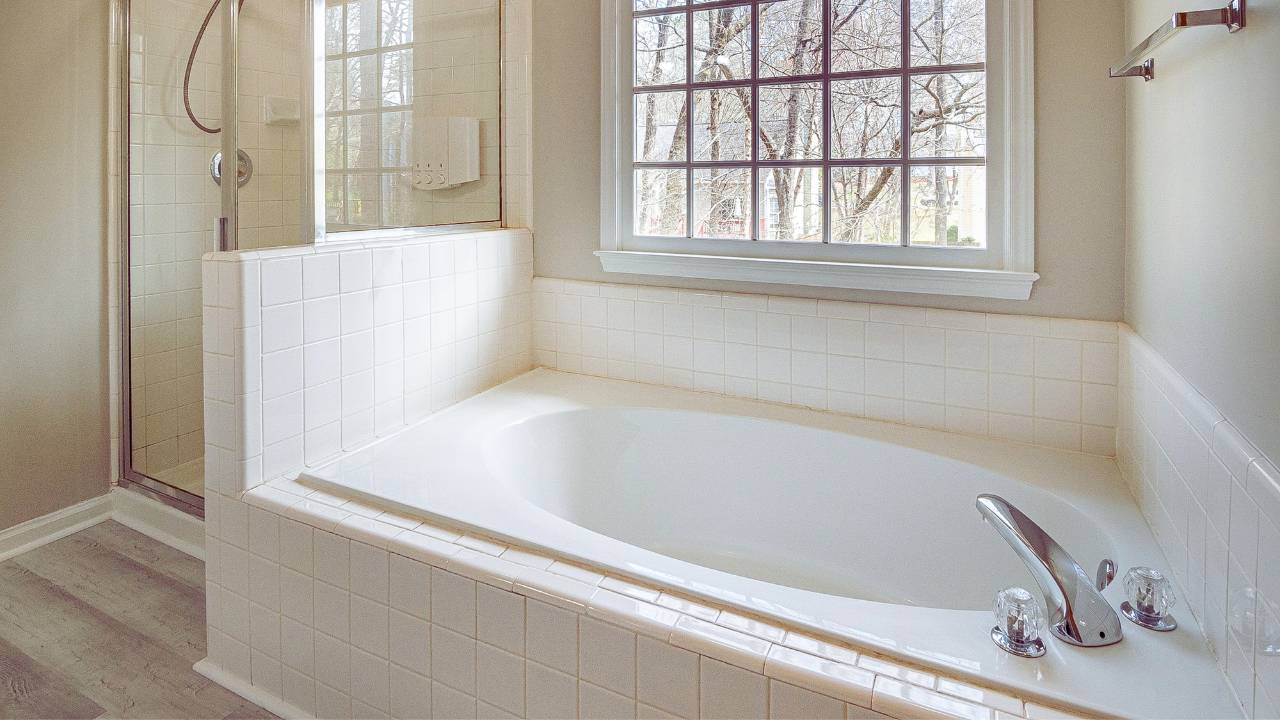
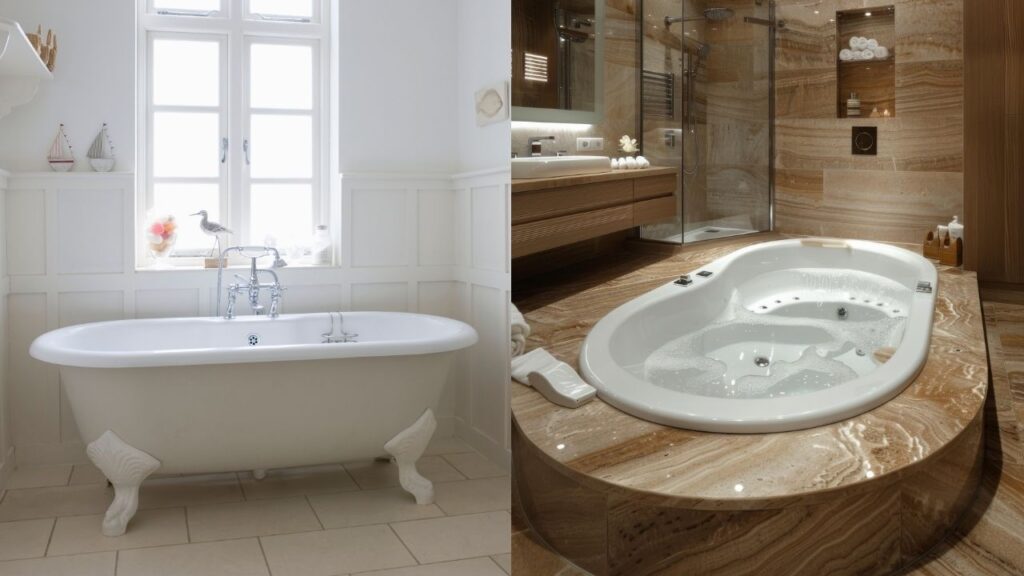
Let’s start with the basics. A freestanding bathtub is the star of your bathroom; it stands alone, with no walls needed, and features elegant curves or bold clawfoot designs that make it a focal point. You can place it anywhere, from the center of the room to beside a big window for a spa-like vibe. A built-in bathtub, meanwhile, is the reliable classic, tucked against walls in an alcove or corner, blending seamlessly into your bathroom’s layout.
Your choice depends on your space, style, and how you use your bathroom. Freestanding tubs scream luxury and flexibility, while built-ins focus on function and space-saving. Both can make your bathroom a retreat; it’s all about what works for you.
Advantages of Freestanding Bathtubs
Freestanding tubs are instant showstoppers. They’re like a piece of art, elevating your bathroom to the status of a luxury hotel. From vintage clawfoot to sleek, modern ovals, they come in a variety of materials, including acrylic, cast iron, and stone, allowing you to match any style.
The biggest perk? Placement freedom. You’re not tied to walls, so you can pop it under a skylight or angle it for a view. Installation can be simpler in some cases, with no need for custom surrounds or heavy tiling. Just hook up the plumbing (often through the floor), and you’re set. They’re perfect for open bathrooms or remodels where you want to rethink the layout without major demo work.
On the practical side, freestanding tubs often hold more water, ideal for deep, indulgent soaks. Many offer extras like jets for a spa-like experience. Sure, they need a bit more floor space, but the wow factor is hard to beat.
Advantages of Built-In Bathtubs
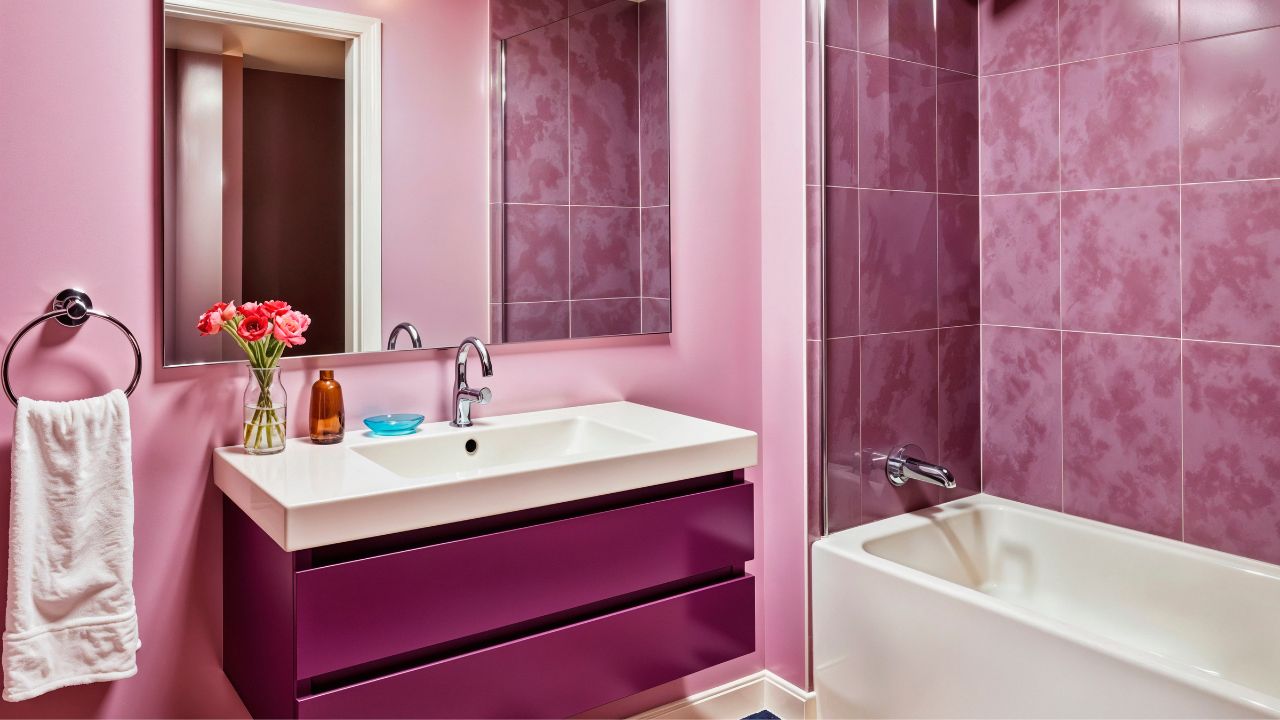
Built-in bathtubs are the trusty, practical choice. Nestled against walls or in a corner, they save space, making them ideal for smaller bathrooms where every inch counts. Want a shower too? Built-ins make it easy to add a combo, turning your tub into a multi-tasking hub for quick rinses or leisurely baths.
They’re often kinder to your wallet, both for the tub itself and installation. The walls provide natural support, and you can customize with tiles, shelves, or a deck for soaps and shampoos. Cleaning’s a breeze; no awkward spots behind the tub. Just wipe down what’s in reach.
For daily use, built-ins shine. They’re easier to step into, great for mobility concerns, and the enclosed design keeps water contained. If you’ve got kids or pets, this setup feels secure and practical. Plus, they fit any style, from classic to modern, without stealing the spotlight.
Heat Retention: Which Tub Keeps Your Bath Warmer Longer?
Nobody wants a bath that turns cold halfway through. So, which tub holds heat better for those long, relaxing soaks? Built-in bathtubs usually have the edge. The walls around them act like insulation, trapping heat and slowing down the cooling process. Materials like acrylic or fiberglass, commonly used in built-ins, also retain warmth well, especially if insulation is added behind the walls during installation.
Freestanding tubs, with all sides exposed, lose heat faster because more surface area is exposed to the air. But don’t write them off! Choosing a freestanding tub made of cast iron or stone can help; they naturally retain heat better than thinner materials. Some high-end models even have built-in heaters, though that’s pricier. If you love long soaks, a built-in might keep things toasty with less effort, but a well-chosen freestanding tub can compete with the right material.
Installation Costs: Breaking Down the Price Difference
Let’s talk money! How much more does a freestanding tub cost to install compared to a built-in? Freestanding tubs range from $2,000 to $9,000, depending on size, material, and features like jets. Built-in tubs are more budget-friendly, starting at $200 and topping out around $1,000 for standard models.
Installation is where costs diverge. For a built-in tub, labor costs range from $500 to $2,000, covering the costs of plumbing, framing, and tiling the surround. It’s simpler if you’re replacing an existing built-in, but custom surrounds can add up. Freestanding tubs typically cost $1,000 to $3,000 to install, primarily due to plumbing modifications, such as rerouting exposed pipes or floor drains. If your floor needs reinforcing for a heavy tub (like cast iron, over 300 pounds), add $500 to $1,000.
Overall, freestanding tubs can cost 50% to 100% more when you factor in the tub and installation. However, if your bathroom’s plumbing is already set up for a freestanding (such as central floor drains), you could save. For a tailored quote, check with pros like those at American Bath and Shower, who can make the process smooth and budget-friendly.
Cost Comparison at a Glance
To help you visualize the cost differences, here’s a table comparing average costs for a standard 5-foot acrylic soaking tub, including both the tub and installation, based on typical market prices.
| Tub Type | Tub Cost | Installation Cost | Total Average Cost |
| Freestanding Tub | $2,000–$9,000 | $1,000–$3,000 | ~$3,200 |
| Built-In Tub | $200–$1,000 | $500–$2,000 | ~$1,350 |
Note: Costs are averages for a 5-foot acrylic soaking tub. Prices vary based on material, size, and plumbing requirements.
Space and Layout Considerations: What Changes for a Freestanding Tub?
Switching to a freestanding tub usually means tweaking your bathroom layout, but it’s not as scary as it sounds. Unlike built-ins that hug walls, freestanding ones need breathing room (aim for 6–12 inches around all sides for cleaning and access). This works best in larger bathrooms (at least 60 square feet) where you can center it or place it diagonally for drama.
Key changes? Plumbing may shift to floor or wall-mounted faucets, costing an additional $200–$500. If your current setup is alcove-style, you’ll remove the surround, which could mean demo work ($300–$800). Floor reinforcement is a must for heavier tubs to prevent sagging, think adding joists or plywood underlayment.
On the plus side, this opens design possibilities. You could rearrange vanities or add a chandelier above for ambiance. For smaller spaces, a built-in keeps things compact without major overhauls.
Family-Friendly Features: Which Is Easier for Bathing Young Children?
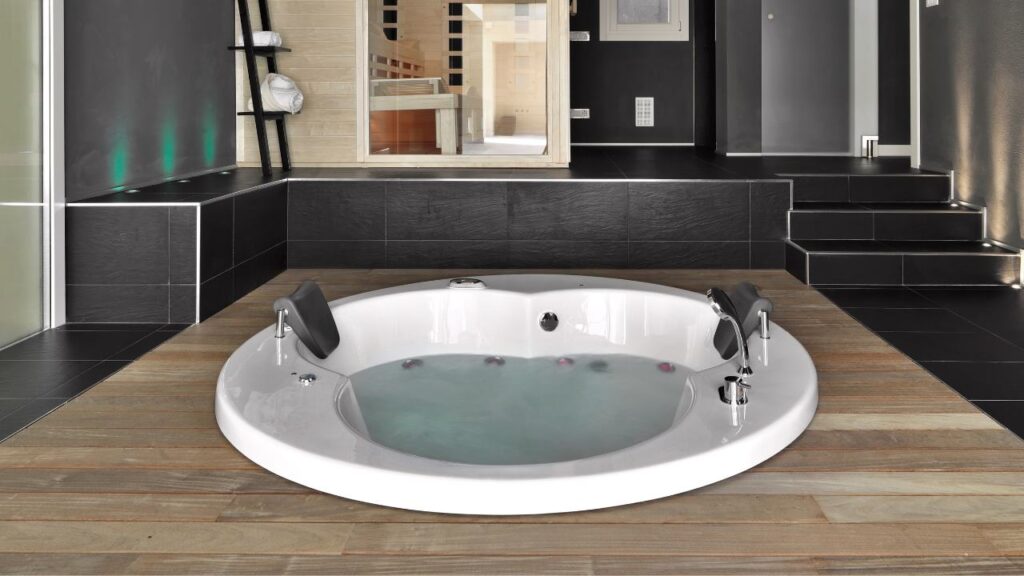
If you’ve got little ones splashing around, ease of use is huge. Which option is easier for bathing young children? Built-in bathtubs usually win for families. Their lower sides make it easy to lift kids in and out, and the built-in ledges are perfect for toys, shampoo, or sitting while you supervise. The enclosed design contains water better, reducing slip risks.
Freestanding tubs, with higher rims (often 20–24 inches), can be trickier to maneuver over with a wiggly toddler. No natural shelves mean you’ll need a separate caddy, and open sides might lead to spills. That said, deeper freestandings can hold more water for fun playtime, and parents love the visibility, as you can walk around the tub easily.
For safety, add non-slip mats and grab bars to either. If family baths are frequent, built-ins are more practical. But if it’s a master bath oasis, a freestanding could be your grown-up escape while keeping a built-in elsewhere for the kids.
Impact on Home Resale Value: Does a Freestanding Tub Help or Hurt?
Wondering how a freestanding tub affects resale value? Good news, it often boosts appeal, especially in upscale markets. Buyers love the luxury vibe, associating it with spa-like bathrooms that can add 5–10% to a home’s value, according to real estate professionals. A well-installed freestanding in a master suite signals high-end upgrades, drawing in buyers seeking that wow factor.
But context matters. In family-oriented neighborhoods, consider keeping at least one built-in tub for kid-friendly appeal; removing all tubs could deter buyers, potentially reducing value by 2–5%. Freestanding ones shine in modern or minimalist homes but might feel out of place in traditional ones.
Built-ins are neutral and safe, maintaining value without risks. To maximize ROI, use quality materials and professional installation. For more tips, check out our Guide to Bathtub Remodeling,it’s packed with ideas to make your project pay off.
How to Choose Between Freestanding and Built-In Bathtubs
Alright, decision time: how do you pick?
Start with your lifestyle: Love long soaks and have space? Freestanding’s your match. Need something practical for daily use? Lean built-in. Budget matters too; if you’re splurging on luxury, opt for freestanding; for value, built-in options deliver.
Assess your bathroom: Measure space, check plumbing, and think about future needs. Want a shower combo? Built-in. Craving a statement piece? Freestanding. Visit showrooms to test them out, sit in one to feel the fit.
Consider maintenance: Freestandings need dusting underneath, while built-ins are low-fuss. Energy efficiency? Built-ins edge out on heat. For resale, balance luxury with broad appeal.
It’s your sanctuary, so make it yours. For expert advice, reach out to American Bath and Shower, they’re pros at turning your vision into reality.
Ready For a Bathroom Transformation?
Contact American Bath and Shower today for personalized bathtub solutions that blend style, comfort, and quality. Whether it’s a sleek freestanding or a cozy built-in, their experts handle everything from design to installation. Schedule a consultation now and start soaking in your dream tub sooner than you think!