Let’s pause and think for a second. You’ve had one of those days where the world feels like it’s spinning a bit too fast, and all you want is to slip into a tub full of steaming water, maybe with some bubbles and a good book. But wait! Before you hit that “add to cart” button on a new bathtub, let’s chat about what it’s made of. After all, not all tubs are created equal.
Today, we’re breaking down three popular contenders: acrylic, fiberglass, and cast iron. We’ll explore how they stack up in real-life scenarios, from keeping your bath toasty to how they withstand everyday wear and tear.
Getting to Know the Materials
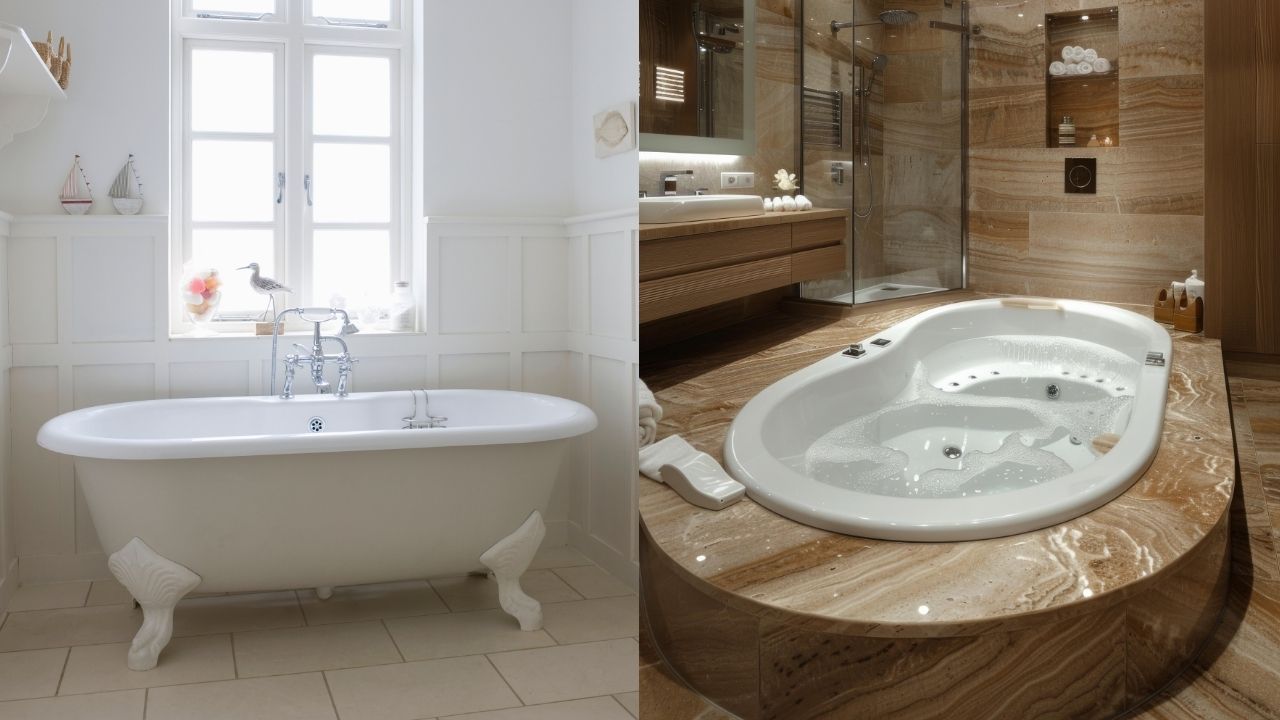
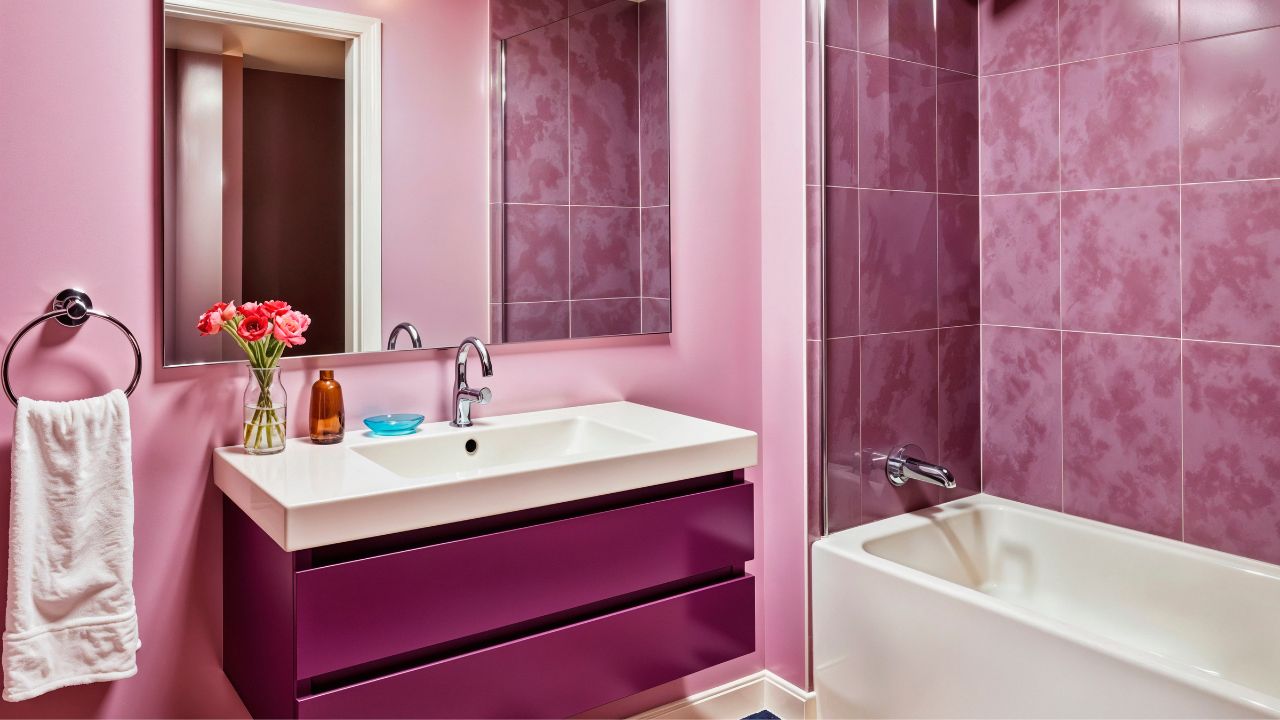
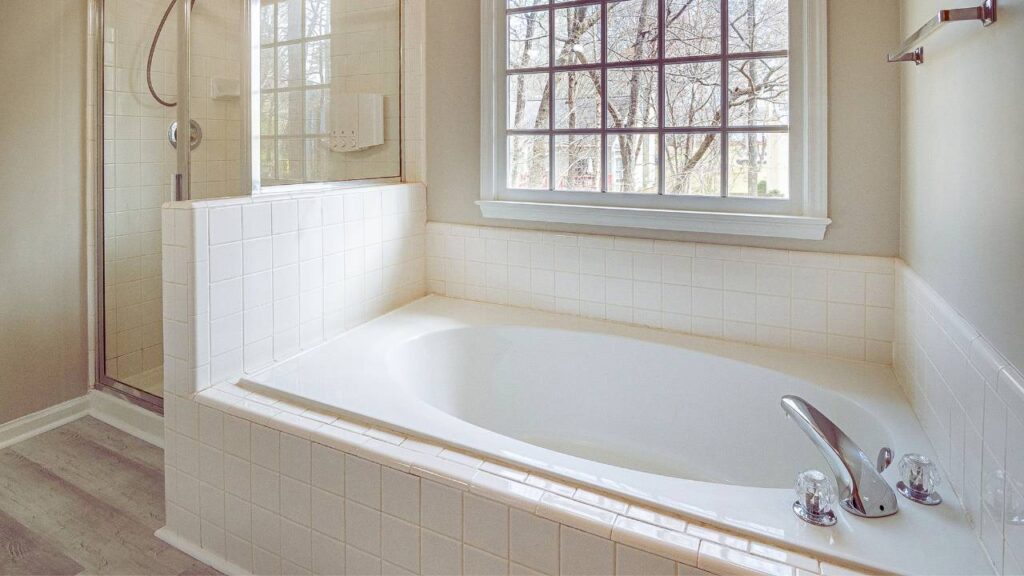
Let’s start with the basics. Acrylic tubs are like the modern multitaskers of the bathroom world: lightweight, versatile, and available in a rainbow of shapes and colors. They’re made by heating and molding sheets of acrylic plastic, often reinforced with fiberglass for extra strength.
Fiberglass, on the other hand, is the budget-friendly cousin; it’s essentially layers of glass fibers coated in resin, making it super light and easy to install.
Then there’s cast iron, the classic heavyweight: molten iron poured into a mold and topped with a porcelain enamel finish, resulting in a shiny, durable surface.
Each has its charm, but choosing the right one depends on your lifestyle. Do you love long, luxurious soaks? Or are you more about quick rinses in a low-maintenance setup? We’ll weave in some key questions to help you decide, like which one keeps the heat locked in for those extended bubble baths.
A Quick Comparison Table
To make things easier, here’s a side-by-side look at the big three. We’ll dive deeper into each aspect below, but this table provides a quick overview at a glance.
| Feature | Acrylic | Fiberglass | Cast Iron |
| Average Cost (Tub Only) | $1,500–$10,000 | $1,500–$15,000 | $1,500–$13,000 |
| Weight | Lightweight (50–100 lbs) | Very lightweight (40–80 lbs) | Heavy (200–500 lbs) |
| Durability | Good; resistant to cracks, but can scratch | Fair; prone to fading and chipping | Excellent; highly resistant to damage |
| Heat Retention | Good | Poor | Excellent |
| Maintenance | Easy to clean; non-porous | Easy, but can stain over time | Easy; enamel resists stains |
| Lifespan | 10–15 years | 10–15 years | 50+ years |
| Installation Ease | Easy; DIY-friendly | Easiest; very light | Challenging; needs pros |
Data pulled from various home improvement sources. Think of this as your cheat sheet for bathtub shopping.
Heat Retention for Those Long Baths
Ah, the joy of a bath that stays warm without constant top-ups from the faucet. If you’re the type who turns bath time into a mini spa session, heat retention is key. So, which material retains heat longest for extended soaks? Hands down, it’s cast iron.
This beast absorbs heat slowly but holds onto it like a cozy blanket, keeping your water toasty for ages. One source notes that cast iron can maintain warmth far longer than its lighter counterparts, making it ideal for relaxation enthusiasts.
Acrylic comes in a close second. It’s insulated well and feels warm to the touch, so it doesn’t suck the heat out of your water right away. Fiberglass? Not so much. It’s thinner and loses heat quickly, which may leave you shivering if you’re not a speed bather.
Durability: Which One Shows Scratches or Stains Most Over Time?
No one wants a tub that looks battle-worn after a few years. When it comes to scratches and stains, fiberglass tends to show them most prominently. Its surface can fade, chip, or crack under heavy use, and stains from soaps or dyes might linger if not cleaned promptly.
Acrylic fares better. It’s non-porous and resistant to staining, although it can scratch if you’re rough with cleaning tools. Minor dings? You can often buff them out. Cast iron is the champion here; its enamel coating is tough against scratches and stains, although if it chips (rare, but possible), it may require professional repair.
Think about your household first. Do you have kids with toys? Pets that hop in for baths? Cast iron might be your sturdy sidekick, while acrylic offers forgiving flexibility for everyday life. Fiberglass is suitable for low-traffic baths but may need to be replaced sooner if it’s a family favorite.
Installation: Weighing the Effort (and the Tub)
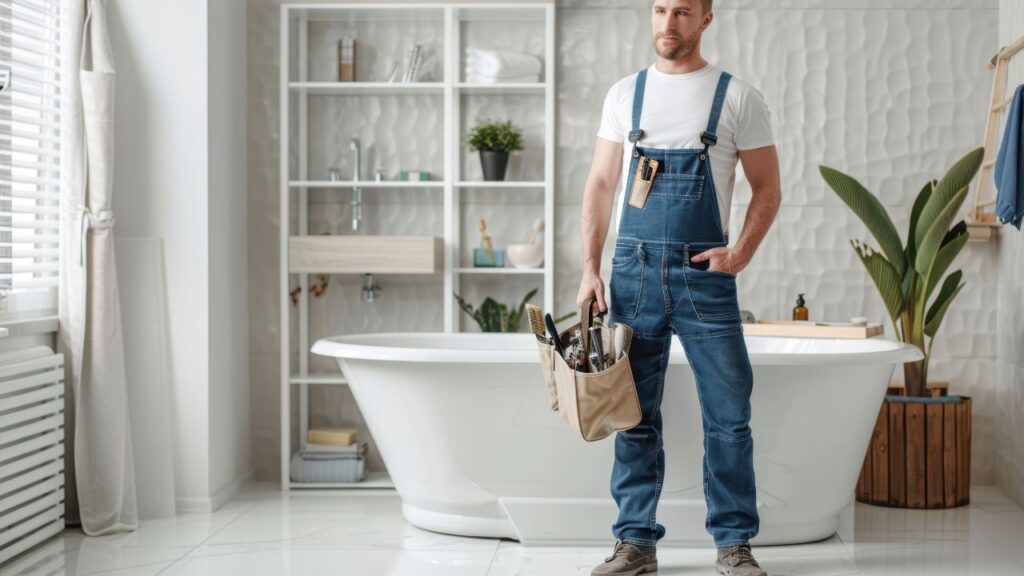
Installation can make or break your remodel excitement. Acrylic and fiberglass are lightweight options. They are easy to maneuver, often DIY-friendly, and gentle on your floors (no need for extra reinforcement upstairs). Cast iron? It’s a different story. These tubs are heavy hitters, requiring more muscle and sometimes structural support. So, how much extra does cast iron installation typically add?
Expect to pay $200–$500 more in labor costs compared to lighter options, due to the weight and the need for professionals to handle it safely. Total installation costs for any tub range from $500 to $2,500, but cast iron tends to push the upper end due to potential floor reinforcements or additional plumbing modifications.
If you’re going pro, companies like American Bath and Shower make it seamless. They specialize in bathtub solutions that minimize disruption; no full demo required for liners or conversions. Check them out at https://freelancers-hub.agency/ for ideas.
Boosting Your Home’s Appeal: Resale Value Considerations
Thinking long-term? A new tub can enhance your home’s resale value, but certain materials stand out. Which tub material boosts home resale value the most? Cast iron often takes the crown! Its timeless elegance and durability scream “quality investment” to buyers, potentially adding more perceived value than budget options.
Acrylic is a solid mid-tier choice; it’s modern and customizable, appealing to families who want style without the fuss. Fiberglass might not wow as much; it’s often seen as entry-level, which could limit the “wow” factor in listings.
According to the 2024 Cost vs. Value Report cited by Moreno Bath, a midrange bathroom remodel, which often includes upgrades like a new tub, vanity, and tile, can recoup approximately 74% of its cost at resale in 2025. It’s like giving your home a spa badge of honor.
Exploring Integrated Installations: Samuel Mueller’s Lineup
When it comes to turning your vision into reality, partnering with experts who use top-notch products makes all the difference.
Samuel Mueller specializes in durable, hygienic materials that mimic the look of natural stone without its weight, making them perfect for bathtub surrounds and walls.
- Take their Luxura line: It’s all about luxurious textures and patterns, like misty river designs, in glue-to-wall kits that install quickly.
- Trinity offers that high-res 3D-printed stone look, lightweight yet tough, ideal for alcove setups around your new tub.
- Silhouette brings sleek, modern vibes with scratch-resistant surfaces in colors like washed oak or white, available in various sizes for tub-shower combos.
- And Pioneer? It’s glossy subway tile patterns in easy-to-install panels, adding a classic touch without the grout hassle.
At American Bath and Shower, we incorporate them into our bathtub solutions, ensuring your remodel is both beautiful and built to last. For more information on their services, visit https://freelancers-hub.agency/services/bathtub-solutions/.
Maintenance and Long-Term Care Tips
Keeping your tub sparkling shouldn’t feel like a chore. Acrylic and cast iron both win for low maintenance, their smooth surfaces wipe clean with mild soap and water. Avoid abrasive cleaners to prevent scratches. Fiberglass requires a bit more TLC; using gentle, non-abrasive products helps prevent fading.
Pro tip: For any material, regular rinsing after use helps prevent mineral buildup.
If you’re planning a full remodel, explore our comprehensive Guide to Bathtub Remodeling. It’s packed with tips on planning, budgeting, and trends to make your project a breeze. Check it out here: The Ultimate Guide To Bathtub Remodeling.
Wrapping Up: Your Perfect Tub Awaits
Whether you’re drawn to the affordable ease of fiberglass, the versatile warmth of acrylic, or the enduring strength of cast iron, there’s a tub out there that’ll make your bathroom feel like home.
Remember, cast iron edges out for heat retention and resale punch, but acrylic offers a quirky balance of style and simplicity without breaking the bank or your back during install. Ready to turn that dream bath into reality? Contact American Bath and Shower today for expert bathtub solutions tailored to your needs. From custom installations to lifetime warranties, we’ve got you covered.